
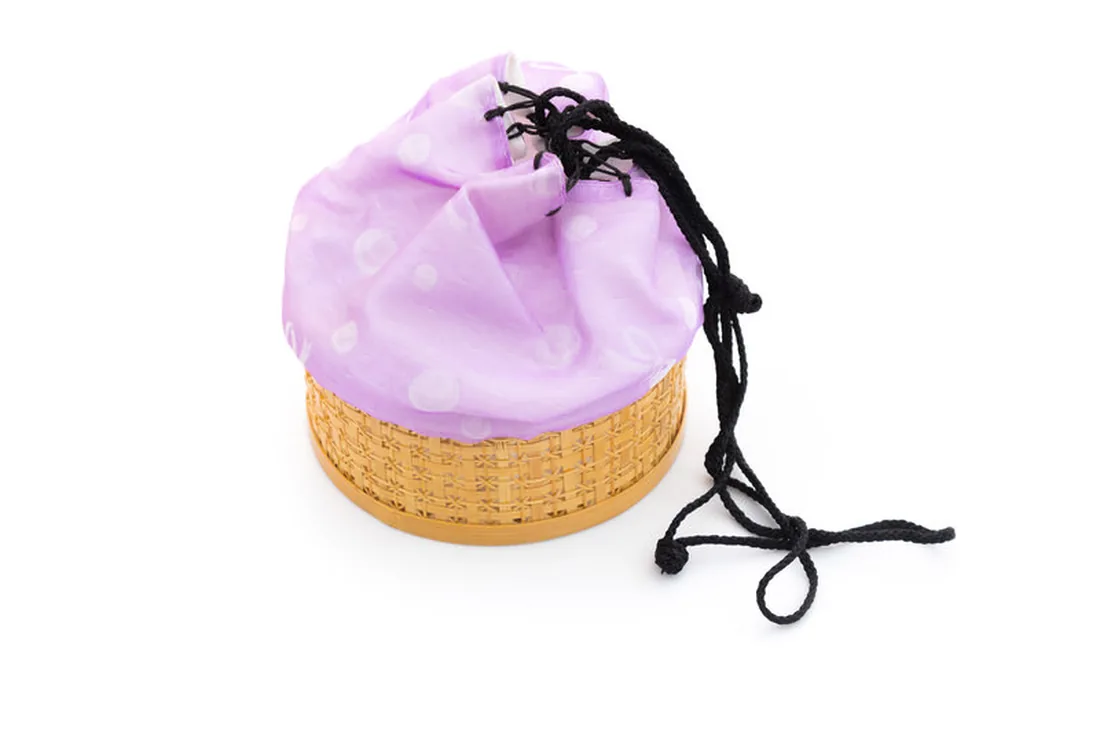
Pouches and cases do different jobs
Both are for carrying, but they cover different failure modes. You do not need both; how you visit decides which.
PR — This page contains promotional content
| Type | Protects against | Suits | Weakness |
|---|---|---|---|
| Drawstring pouch | Rubbing, fading, dirt | Carrying in a bag | Does nothing for corners |
| Zip pouch | Rubbing, dust, light rain | Outdoor circuits | Often cut with little slack for thickness |
| Rigid case | Corners, crushing, rain | Crowded train journeys | Least forgiving on thickness, and bulky |
| Organiser pouch | All the above plus sheets and coins | Frequently receiving loose sheets | Large and expensive |
In practice a drawstring pouch alone is usually enough. If corners are the worry, changing how the book sits in the bag does more than any pouch.
Packing so the corners survive
Corner damage is decided less by the pouch than by which way the load pushes. Three habits and it stops happening.
- Stand it up. Lying flat at the bottom of a bag, it takes the weight of everything above. Spine down and upright, the load runs past it
- Nothing hard beside it. Water bottle, umbrella, power bank. Where a corner meets one of those, that corner goes
- Use an inner pocket. A pocket close to its size holds it still, which beats letting it swim about in the main compartment
Put the other way round, a bag that lets you do this needs only a thin pouch. Real padding is for throwing the book into a full rucksack.
Choosing the size
Here too, thickness is what fails. Judge by how much slack there is against the book itself.
- Drawstring: 1 to 2 cm of slack in height and width and thickness barely matters. The most forgiving option by far
- Zip pouch: allow 1 cm in height and width and at least 5 mm in thickness. Cut exactly to size, it stops closing once sheets go in
- Rigid case: always check the stated internal dimensions. Most leave no slack in thickness, and this is the first thing to become unusable
With a large-format book, around 18 x 12 cm, the field narrows sharply. Consider only items stated as large-format, or that give internal dimensions in centimetres. The size and accessory fit check narrows it down for the book you have.
The tenugui and furoshiki option
There is a way out of the size problem altogether: wrap it.
- Large format, irregular format, growing thickness: all fine
- Washable, and replaceable when it wears
- A few hundred yen, and often available at the places you visit
The drawbacks are rain and one extra motion to get the book out. A clear cover under the cloth solves the first of those. Covers are dealt with in choosing a cover.
Between trips
A pouch is a carrying tool, and it also earns its keep at home. Arguably more so.
Hunting for the book the night before a visit is the main reason it gets left behind. Keep it in its pouch in one agreed place and it walks out of the door with you.
It is not, though, long-term storage. Airtight cases trap moisture, and leather or synthetic pouches can transfer chemicals into paper. Finished books are dealt with in storing your goshuin book.
Read next
Practice around goshuin and the books that hold them differs between shrines, temples and Buddhist schools. What follows is general orientation, not a rule. Notices posted on site and the guidance of the office there always take precedence. Nichiren-shu temples inscribe a goshuimon, and some will not write it into a book that already holds entries from elsewhere.
Frequently asked questions
Pouch or case for a goshuin book?
For carrying inside a bag, a drawstring pouch is enough. A rigid case adds corner protection but is the least forgiving on thickness, so it suits a book that keeps taking mounted sheets least of all. A zip pouch sits between the two and suits outdoor circuits.
The corners keep getting crushed in my bag. What helps?
Stand the book upright rather than lying it flat at the bottom, where it takes the weight of everything above. Keep hard objects such as bottles and umbrellas away from it, and hold it still in an inner pocket close to its size.
How much slack should a pouch have?
For a drawstring pouch, 1 to 2 cm in height and width and thickness barely matters. For a zip pouch allow 1 cm in height and width and at least 5 mm in thickness, or it will stop closing once sheets are mounted.
Can I just use a tenugui or furoshiki?
Yes, and it removes the size problem completely: large format, irregular shape and growing thickness are all fine, and the cloth is washable. It offers nothing against rain, which a clear cover underneath solves.
Can I carry loose sheets with the book?
Add a thin clear file for them. Put straight into a pouch, sheets crease from the corner as the book goes in and out, and a crease does not come back out of washi.
